In today’s literary landscape, graphic novels have become one of the most influential forms of storytelling. They combine compelling narratives with stunning visual art, creating an immersive experience that traditional novels often cannot replicate. Whether you’re a lifelong comic enthusiast or someone exploring the medium for the first time, graphic novels offer a unique way to connect with characters, emotions, and ideas.
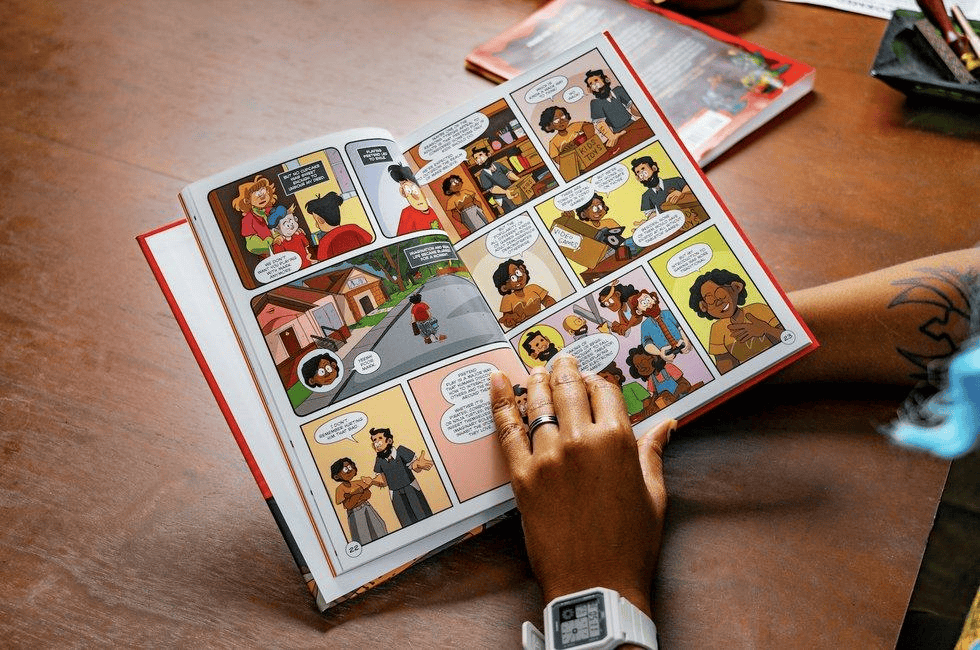
Every illustration works closely with the dialogue presented on each page. Expressions, settings, colors, and panel arrangements add meaning to the written narrative. These visual details help readers understand characters and experience important moments more clearly. Together, words and artwork create stories that feel engaging, emotional, and memorable.
A Story Told Through Two Languages
Unlike traditional books that mainly depend on written words, graphic novels communicate through text and illustrations. Every panel, expression, shadow, and color choice contributes to the overall narrative. Every visual choice supports the story’s emotional direction. Readers do not only imagine events through written descriptions. They experience the story through carefully designed visual elements.
This dual-language approach creates an emotional depth that resonates across audiences of all ages. Readers experience tension, joy, heartbreak, and hope not only through dialogue but also through the visual atmosphere crafted by the artist. The balance between text and imagery also makes each scene more memorable. It helps readers follow the characters’ emotions while giving the story a stronger visual identity and lasting impact for readers across generations.
Why Readers Love Graphic Novels
Graphic novels have gained widespread popularity because they are accessible, engaging, and emotionally powerful. They attract readers who may find traditional books challenging. They also provide literary depth that experienced readers continue to appreciate. This storytelling format combines imagination with visual creativity. Readers enjoy how these books present complex ideas in a clear and engaging way.
Some of the biggest reasons readers embrace graphic novels include:
- Rich visual storytelling
- Faster immersion into the plot
- Memorable characters
- Emotional artwork
- Diverse genres ranging from drama and romance to mystery and science fiction
The format encourages readers to slow down and observe carefully. It allows them to notice details throughout the artwork and storyline. Each page becomes a complete experience for the audience. It becomes more than another chapter waiting to be finished. Readers can explore the meaning behind illustrations. They can understand how each visual element supports the overall narrative.
The variety within graphic storytelling continues to increase its popularity. Some stories focus on realistic contemporary experiences. Others explore imaginative adventures and thought-provoking mysteries. Graphic novels are available for different interests and age groups. They give readers opportunities to discover new genres. They also encourage audiences to explore different forms of creative expression.
The Emotional Power of Visual Narratives
Art has a remarkable ability to communicate feelings that words sometimes cannot fully explain. A single facial expression can reveal a powerful emotion. A carefully illustrated scene can represent an entire experience. It can communicate meaning without requiring long explanations.
Graphic novels often explore:
- Identity
- Friendship
- Mental health
- Family relationships Personal growth
- Hope during difficult times
By combining artwork with meaningful dialogue, creators develop emotional connections that remain with readers after they complete the book. These stories allow audiences to experience emotions through written and visual elements. They create moments that feel personal and relatable.
Visual storytelling encourages readers to pause and focus on important moments. It allows them to appreciate scenes that may move quickly in a traditional novel. The arrangement of panels creates a unique rhythm throughout the story.
This balance between emotion and illustration represents one of the greatest strengths of graphic storytelling. It creates a connection between creativity and human experiences. This connection remains one of the main reasons the medium continues attracting readers around the world. Graphic novels continue proving that visual elements can strengthen the emotional power of storytelling.
Why Independent Graphic Novels Matter
Independent creators continue expanding the possibilities of storytelling. They introduce fresh perspectives into the literary world. They develop unique artistic approaches. They create deeply personal narratives that challenge traditional publishing expectations.
Supporting independent graphic novels helps bring new voices into the literary world while encouraging innovation within the medium. These creators bring different experiences and ideas to readers. Their work helps the graphic novel industry continue evolving.
For readers searching for something different, graphic novels provide a memorable experience. They deliver emotional depth. They create unforgettable visual moments. They represent one of the richest reading experiences available today.
A graphic novel like Rooftop Blues demonstrates these strengths through expressive artwork and compelling storytelling. It captures readers’ imagination through its creative approach. It creates a lasting emotional impression beyond the final page. It shows how graphic novels continue contributing to the wider world of graphic storytelling and modern literature.