Stories are often associated with dialogue, narration, and carefully chosen words. Yet some of the most memorable moments in a graphic novel can happen without a single line of dialogue. A character may stare through a window. Two people may sit together without speaking. A page may show an empty street after an important event. These quiet moments are not empty. They are part of the storytelling.
Graphic novels use silence as a creative tool. Instead of explaining every feeling through words, artists allow images, expressions, spaces, and surroundings to communicate meaning. This approach gives readers room to pause, observe, and interpret what is happening.
Silence Can Build Tension
A story does not always need dialogue to create suspense. Sometimes silence can make a scene feel even more intense.
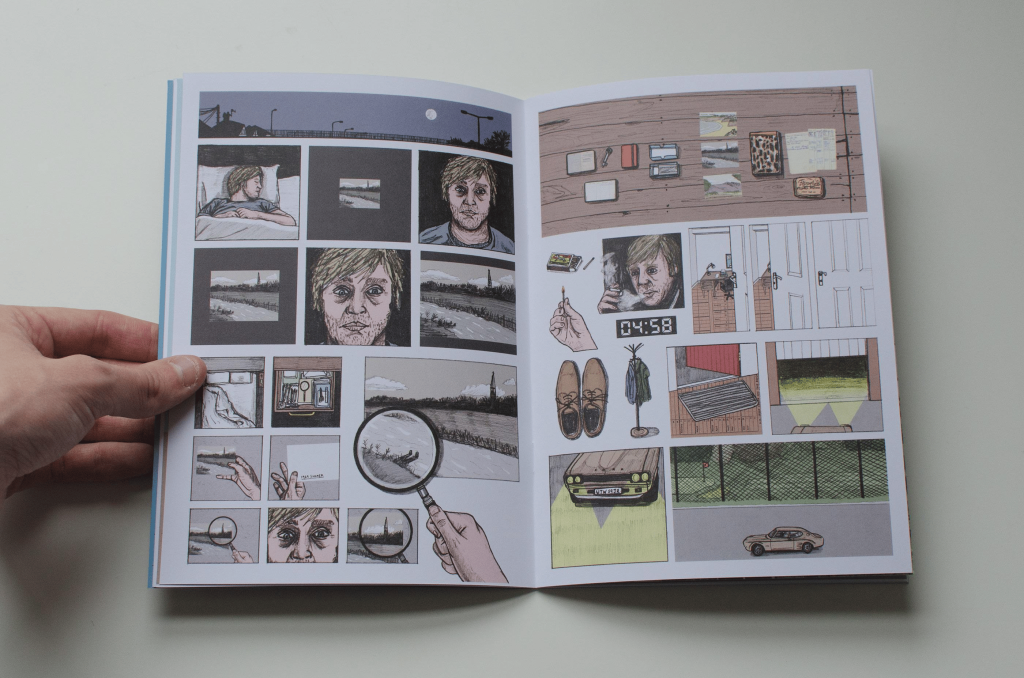
Imagine a character walking through an unfamiliar building. There is no conversation. The panels show a long hallway, a half-open door, and the character’s cautious expression. The absence of dialogue makes the reader pay closer attention.
- What is behind the door?
- Why has the character stopped?
- What might happen next?
Silence encourages readers to ask questions. It creates anticipation without revealing everything at once.
Expressions Can Replace Words
People communicate through more than speech. A raised eyebrow, a lowered head, a nervous gesture, or a distant expression can reveal emotions that characters never say aloud. Graphic novel artists can use these small details to show fear, sadness, hesitation, affection, or uncertainty.
A character saying “I’m fine” may suggest one thing. Their expression may suggest something completely different.
This contrast can add depth to a scene. Readers learn to look beyond dialogue and notice what the characters are actually feeling.
Empty Spaces Have Meaning
The environment surrounding a character can also communicate an idea.A lonely figure standing in a large empty room may appear isolated. A character surrounded by crowded streets may still seem emotionally disconnected.
A quiet bedroom can suggest comfort, grief, or reflection depending on the story.These spaces give readers visual information without requiring lengthy descriptions.The setting becomes part of the narrative’s emotional language.
Silence Controls the Pace
Graphic novels give creators unusual control over pacing. A single image can hold a moment for several seconds in the reader’s mind, while a sequence of smaller panels can make an event feel faster.
- A quiet page can slow the story down.
- A sudden sequence of panels can increase its speed.
This variation keeps readers engaged because the story’s rhythm changes to suit each scene’s needs.
Silence can therefore become a pause between major events. It gives readers time to process what they have just witnessed before the story moves forward.
Readers Become Part of the Story
One of the most interesting qualities of silent storytelling is that readers must interpret what they see.The artist may show a character sitting alone after an argument. There may be no explanation of what the character is thinking. Readers are left to understand the emotion through the image.
This creates a more personal reading experience. Different readers may interpret the same scene in slightly different ways. One person may see sadness, while another may notice disappointment or emotional exhaustion. The story leaves space for personal interpretation.
Visual Details Speak Quietly
Small details can carry surprising amounts of meaning.
- A photograph left on a table.
- An untouched cup of coffee.
- A broken object on the floor.
- A character’s hand resting beside another person’s hand.
None of these details require explanation to become meaningful. Their importance stems from the story’s context.
Good visual storytelling encourages readers to notice these details. Sometimes the smallest element on a page can reveal something important about a character or situation.
Silence Makes Emotional Moments Stronger
Some emotions are difficult to express through dialogue. Grief becomes powerful through experience. Regret can carry weight. Loneliness can shape moments. Uncertainty can create tension. A silent panel can keep the moment undisturbed.
There is no narration telling readers exactly what to feel. There is no long speech explaining the character’s thoughts. The image stands on its own.
That simplicity can make the moment feel more genuine.
The Power of What Is Left Unsaid
Graphic novels show an approach. Storytelling is not always about adding words. Sometimes the strongest message comes from what remains unsaid.
Through silence, body language, setting, pacing, and visual details, creators can communicate ideas. Dialogue cannot express every emotion.
This makes graphic novels a unique form of storytelling. Readers do not simply follow the narrative. They observe clues. They interpret them. They connect clues.
In the quiet spaces between words, another layer of the story begins to emerge. That is where graphic novels can find some of their most powerful moments.
Step into its emotional world. Experience connection, struggle, and hope as they unfold between the panels. Discover Rooftop Blues by Ethan Deal. It is a powerful graphic novel. Words and visuals bring two lives together in an unforgettable story.