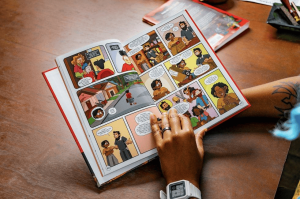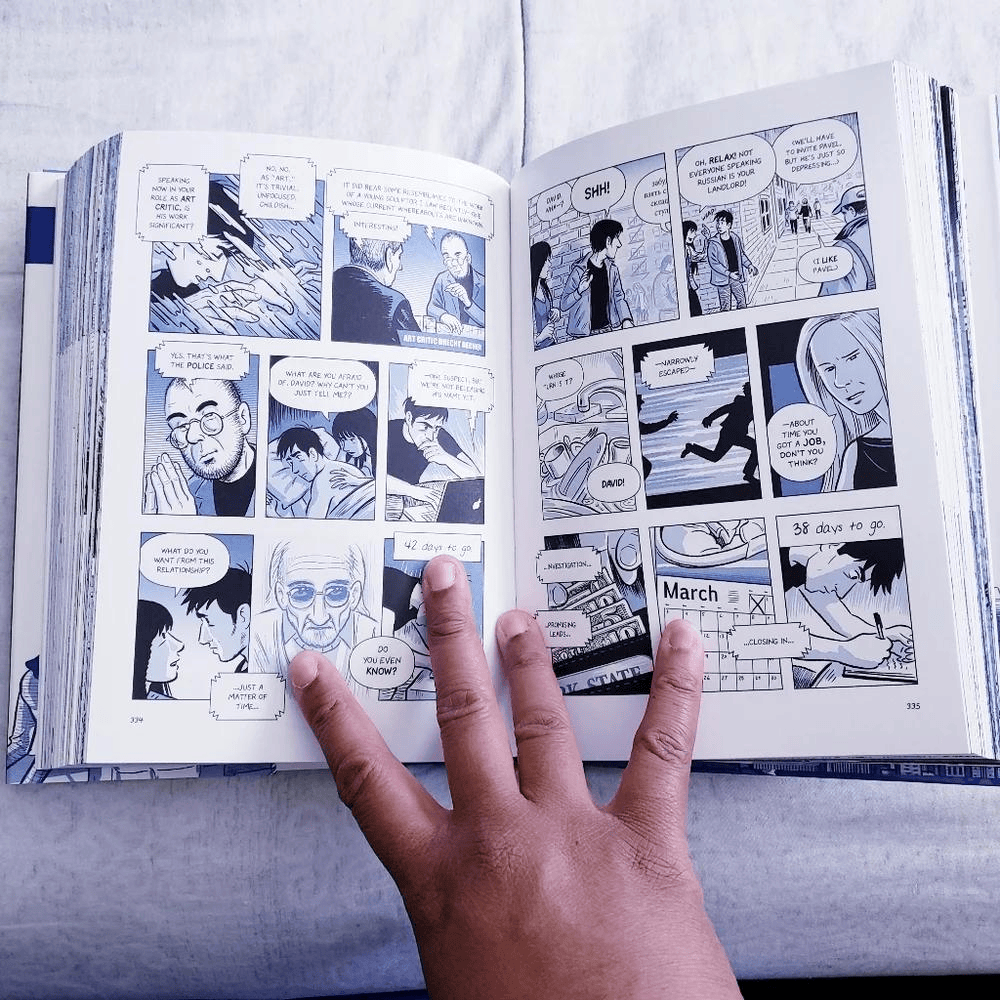
Some stories are difficult to explain with words alone. Complex emotions can feel overwhelming in traditional text. Historical events can also require detailed explanations. Social issues may need careful context for readers. Unfamiliar ideas can create another challenge. Graphic novels offer a different approach. They use written language alongside carefully designed visuals. These visuals can make complicated subjects easier to follow. They can also make difficult ideas easier to understand.
The visual format does not simply make a story easier to follow. It gives readers another layer of information. Character expressions can communicate important emotions. Backgrounds can provide useful context. Colors can influence the atmosphere of a scene. Panel arrangements can guide the reader’s attention. Visual symbols can also communicate deeper meanings. These elements work alongside the written narrative.
Visuals Can Clarify Difficult Ideas
One of the greatest strengths of graphic novels is their ability to make abstract concepts more concrete. Complicated subjects can become easier to visualize. Readers can often understand an idea through its visual presentation.
A writer can describe a character’s surroundings in several paragraphs. An artist can establish the same environment in a single panel. Readers can immediately see the characters’ locations. They can observe what is happening around them. They can also notice how the environment affects the scene’s mood.
This combination of text and imagery gives readers several ways to process information. Words can provide important details. Images can provide additional context. Visual elements can reinforce the central idea. This approach can make the overall story easier to understand.
Panel Design Controls the Reading Experience
Graphic novels do more than place pictures beside words. Panel arrangement plays an important role in storytelling. The design of each page influences the way readers experience the story. It can affect their understanding of time. It can also influence their sense of movement. Tension can change through panel size and placement.
Small panels can create a sense of rapid action. Larger panels can encourage readers to pause. A larger image can also draw attention to an important moment. The distance between panels can suggest the passage of time. It can also indicate a change in perspective.
Because of this, the structure of a graphic novel becomes part of the storytelling itself. Page design can guide attention. Panel placement can control pacing. These choices can shape the reader’s experience.
Facial Expressions Add Another Layer of Meaning
Characters do not always say exactly what they feel. Their words may not reveal their complete emotional state. Their expressions can provide additional information.
A character may claim that everything is fine. Their expression may reveal fear instead. It may show sadness, frustration, or uncertainty. Readers can receive both messages within the same scene. Dialogue provides one form of information. Visual expression provides another form of information.
This approach makes character interactions more nuanced. Readers do not need to depend entirely on dialogue. They can examine body language for additional meaning. Facial expressions can reveal hidden emotions. Posture can suggest confidence or discomfort. Other visual details can provide further clues.
Color Can Influence Mood
Color is another important storytelling tool. It can affect the emotional atmosphere of a scene. Different color choices can create different reactions in readers.
Bright colors can create feelings of energy. They can also suggest excitement or happiness. Darker colors can create feelings of sadness. Muted tones can suggest danger or uncertainty. Some creators use color changes to represent different periods. Color can also represent memories or emotional states. It can even highlight important shifts within the story.
These artistic choices can guide readers emotionally. They can communicate feelings without lengthy explanations. The writer does not need to describe every emotional detail directly. The artwork can provide part of that information.
Graphic Novels Can Introduce Serious Topics
The format is particularly effective when creators want to explore difficult subjects. Serious topics can sometimes feel challenging to approach. Visual storytelling can create a more accessible introduction.
Graphic novels can address history, politics, identity, and relationships. They can also explore social challenges and personal struggles. Many other complex themes can appear within the format. Visual storytelling can make these subjects more approachable. Creators can still explore them with depth. They can also treat sensitive subjects with care.
Some readers may find lengthy explanations intimidating. Concise text can reduce that feeling. Visual context can provide additional information. The combination can create a more accessible reading experience. Readers can understand the subject without facing large amounts of uninterrupted text.
Symbolism Encourages Deeper Reading
Graphic novels often hide meaning within their artwork. Important ideas may appear through small visual details. These details can reward readers who pay close attention.
A repeated object can carry symbolic meaning. A particular color can represent an important idea. A change in scenery can suggest an emotional shift. The position of a character within a panel can also communicate meaning. Readers may notice these details gradually. This process can reward careful observation.
Graphic novels can therefore work on several levels. The story can remain enjoyable on a basic level. The artwork can also provide deeper interpretations. Readers who want more from the story can examine these details. They can discover additional meanings through closer observation.
A Format for Different Kinds of Readers
Another advantage of graphic novels is their ability to accommodate different reading preferences. Not every reader connects with traditional text in the same way. Visual storytelling can offer another path into a narrative.
Some readers are naturally drawn to visual information. Other readers enjoy combining images with written narratives. Graphic novels can also help readers who struggle with long blocks of text. The visual format can help maintain their attention. It can also keep them engaged with the story.
Experienced readers can appreciate the format on another level. They can examine literary techniques within the narrative. They can study artistic choices within the artwork. Symbolism can provide another area of interest. Themes can also offer deeper opportunities for interpretation. These elements can exist beneath the surface of the artwork.
Understanding Stories in a New Way
Graphic novels demonstrate that storytelling does not have to depend on words alone. Writing can communicate important information. Illustration can provide additional context. Design can influence the reading experience. Color can shape the mood. Pacing can control the movement of a story. These elements can work together within the same format.
For readers, every page can offer something to interpret. Dialogue can reveal one meaning. Artwork can communicate another meaning. Readers can examine both forms of information. They can discover details that may not appear in the written words.
This approach makes graphic novels a fascinating form of modern literature. They do not simply tell readers what a story means. They give readers visual tools for discovering meaning themselves. The result is an engaging reading experience.
It encourages readers to observe, interpret, and think more deeply about the stories they encounter. Ready to experience a story where silence speaks volumes? Discover Rooftop Blues and explore its powerful storytelling through words, visuals, and emotion.